
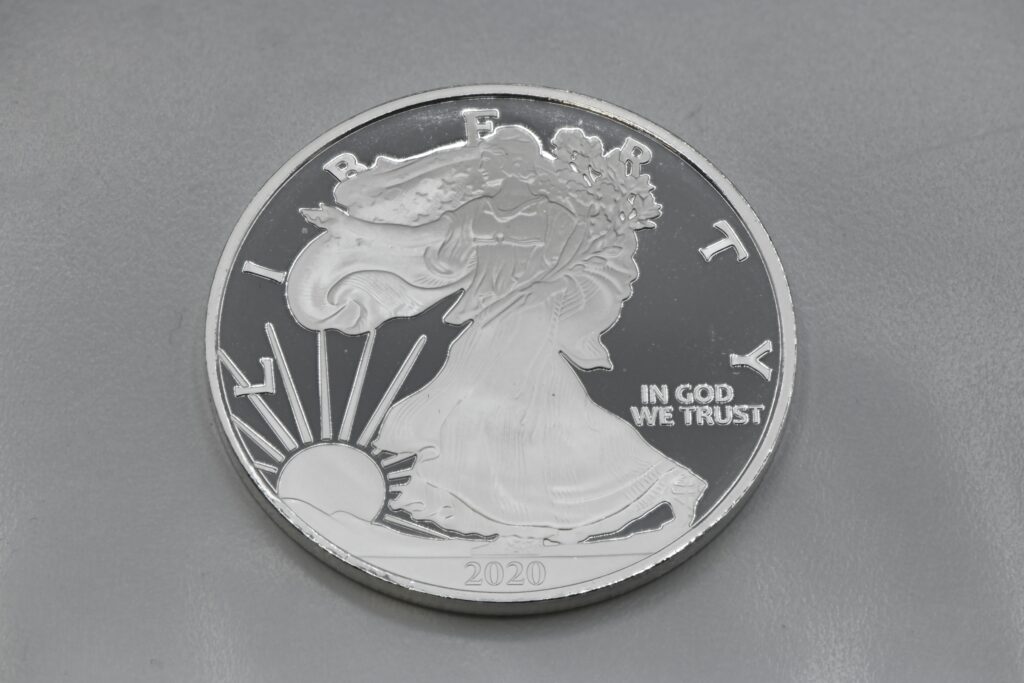
The 1776–2026 Silver Eagle Is Real — The Question Is What You’ll Pay for the Privy
Editor’s Note:
The Mint is dangling a shiny new anniversary carrot — a dual-dated Silver Eagle with a Liberty Bell privy — and the crowd is already lining up. Before you sprint to the checkout button, Jacob Barton breaks down what’s actually scarce, what’s just dressed up, and where collectors usually overpay when symbolism meets subscription hype.
I’ve seen this movie before — different date, same ending.
A big anniversary rolls around, the Mint adds a symbol, dealers warm up their marketing engines, and collectors start paying souvenir prices for what’s still an ounce of silver.
Before you do anything else, head over to FMVGold.com, lock in a free trial, and see what Silver Eagles actually trade for — live, in real time. Know the value before the hype taxes your wallet.
The Breakdown
Yes, the 1776–2026-W Proof American Silver Eagle is real.
Yes, it’s dual-dated.
Yes, it carries a “250” Liberty Bell privy mark from West Point.
And yes — that combination will matter emotionally far more than it will financially for most buyers.
Let’s slow this down.
The U.S. Mint’s early 2026 release schedule reads like a greatest-hits album:
-
Proof Silver Eagles
-
Innovation Dollars with anniversary flair
-
A Native American dollar doing what it always does — quietly existing without gimmicks
The headliner is obviously the dual-dated Proof Eagle. The Mint knows it. The subscription crowd knows it. And the flippers already smell blood in the water.
But here’s the unglamorous truth:
A privy mark does not change metal value.
It changes perception, and perception is where premiums go to get bloated.
At $95 out of the gate, this coin is already priced like a keepsake — not a value play. The mintage talk (subscription limits vs. product limits) is still muddy, and that uncertainty is exactly what fuels early panic buying.
Confusion is not scarcity. It’s a sales accelerant.
The Burn
This is where collectors get sloppy.
Every time the Mint celebrates a milestone, the same trap opens:
-
Dual dates
-
Anniversary language
-
Household limits that magically “change”
-
Breathless chatter about “lowest mintages” before a single secondary-market trade settles
Let me be blunt:
Paying proof premiums for symbolism is how collections turn into sunk costs.
I’m already hearing the whispers:
“It’s the 250th.”
“You’ll regret not buying multiples.”
“This one’s different.”
That’s the same script they used for reverse proofs, special finishes, and boxed sets that now trade sideways — or worse — once the novelty wears off.
And don’t get me started on the Congratulations Set chatter. A Philadelphia Proof Eagle without the privy or dual date? That’s not a miss — that’s the Mint hedging its own supply flexibility. If you think “P” automatically equals future rarity, you haven’t been paying attention the last decade.
The Solution
Here’s how grown-up collectors handle anniversary coins:
-
Separate history from hype.
The 250th anniversary matters. The packaging around it usually doesn’t. -
Track spreads, not emotions.
If the resale spread is wide on day one, it won’t magically tighten because the Liberty Bell looks nice. -
Buy one — then wait.
Anniversary issues almost always cool after the first wave. Let the market show you what’s real. -
Use real pricing tools, not forum speculation.
At FMVGold.com, you can see what Eagles trade for across conditions, formats, and cycles — without the marketing fog.
This Silver Eagle isn’t a scam.
But overpaying for it absolutely can be.
Learn what your gold and silver are worth without all the hassle.
Skip the souvenir tax.
Stay disciplined.